Infectious Disease Disinfection After an Illness
Clear steps for cleaning up after a stomach bug, flu, or other illness.
This page is for people who run a daycare, school, gym, office, group home, or shop, and for families after an illness at home. It covers first steps, how disinfection works, cost, and how to judge a company's plan.
Get an email reply about infectious disease disinfection
Send a short message to the follow-up inbox. A coordinator can reply by email. This form does not send emergency help; call 911 first if anyone is in danger.
People are getting sick. What now?
Disinfecting surfaces is one part of the response. Caring for sick people and following public health advice come first.
- 1Send sick people home, or keep a sick family member in one room with their own towels and, if possible, their own bathroom.
- 2If several people got sick around the same time, call your local health department. Schools, daycares, care homes, and food businesses may be required to report.
- 3Close off any spot where someone vomited or had diarrhea. Clean it with gloves and disposable towels, or keep people away until a crew arrives.
- 4Read the label on the disinfectant you have. Check whether it lists the germ you are dealing with and how long the surface must stay wet.
- 5Use one cleaning product at a time. Mixing bleach with ammonia or with acid cleaners makes toxic gas.
- 6Write down who got sick, when, and which rooms, bathrooms, and shared items they used. The health department and any crew will ask.
Call 911 for trouble breathing, confusion, or other emergency signs. If someone swallows a disinfectant or gets it in their eyes, call Poison Control at 1-800-222-1222. Your local health department can answer questions about reporting and reopening.
Want this as a checklist for your situation? Try the first 24 hours planner.
What is infectious disease disinfection?
It is a thorough cleaning and disinfecting of the surfaces people touch after an illness has been in a building. Crews work on door handles, railings, faucets, switches, tables, toys, and shared equipment. The aim is to cut down on germs left behind. It does not treat anyone who is sick or replace advice from a doctor or the health department.
Cleaning and disinfecting are two different steps. Cleaning removes dirt, grease, and body fluids with soap or detergent. Disinfecting uses a registered product to kill germs on a surface that is already clean. If you skip the first step, dirt can shield germs from the product. If you wipe the product off too soon, it may not finish its job, so the label's wet time matters.
Businesses call after a stomach bug moves through a daycare, a cluster of illness in an office, or a skin infection concern at a gym. Families sometimes call after a relative comes home from the hospital. It differs from routine janitorial work in its products, its focus on touch points, and the written record at the end.
Each type of work is explained step by step on the infectious disease disinfection services page.
Photos
These photos illustrate disinfection work, like wiping shared surfaces. They are not pictures from actual jobs.
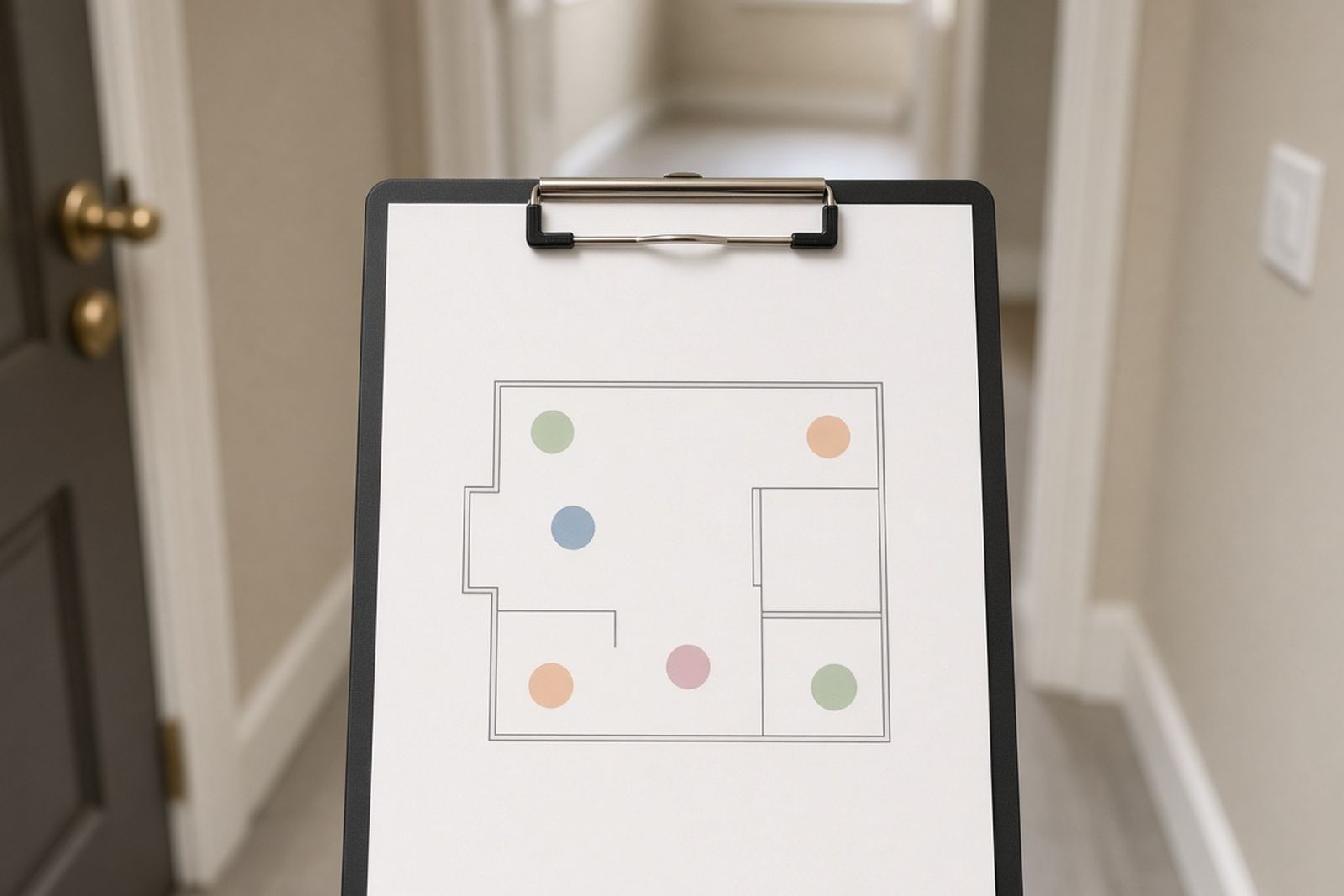
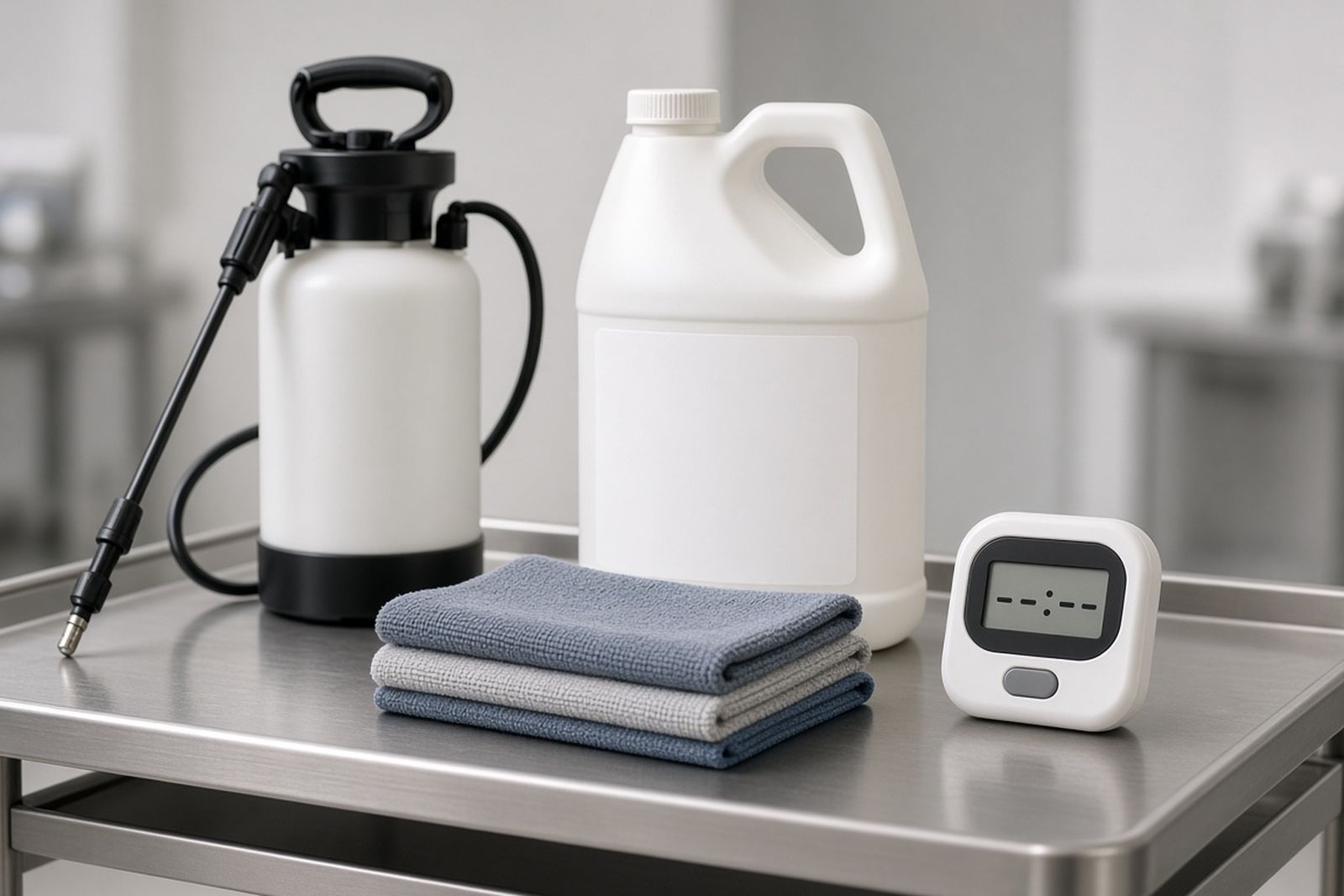
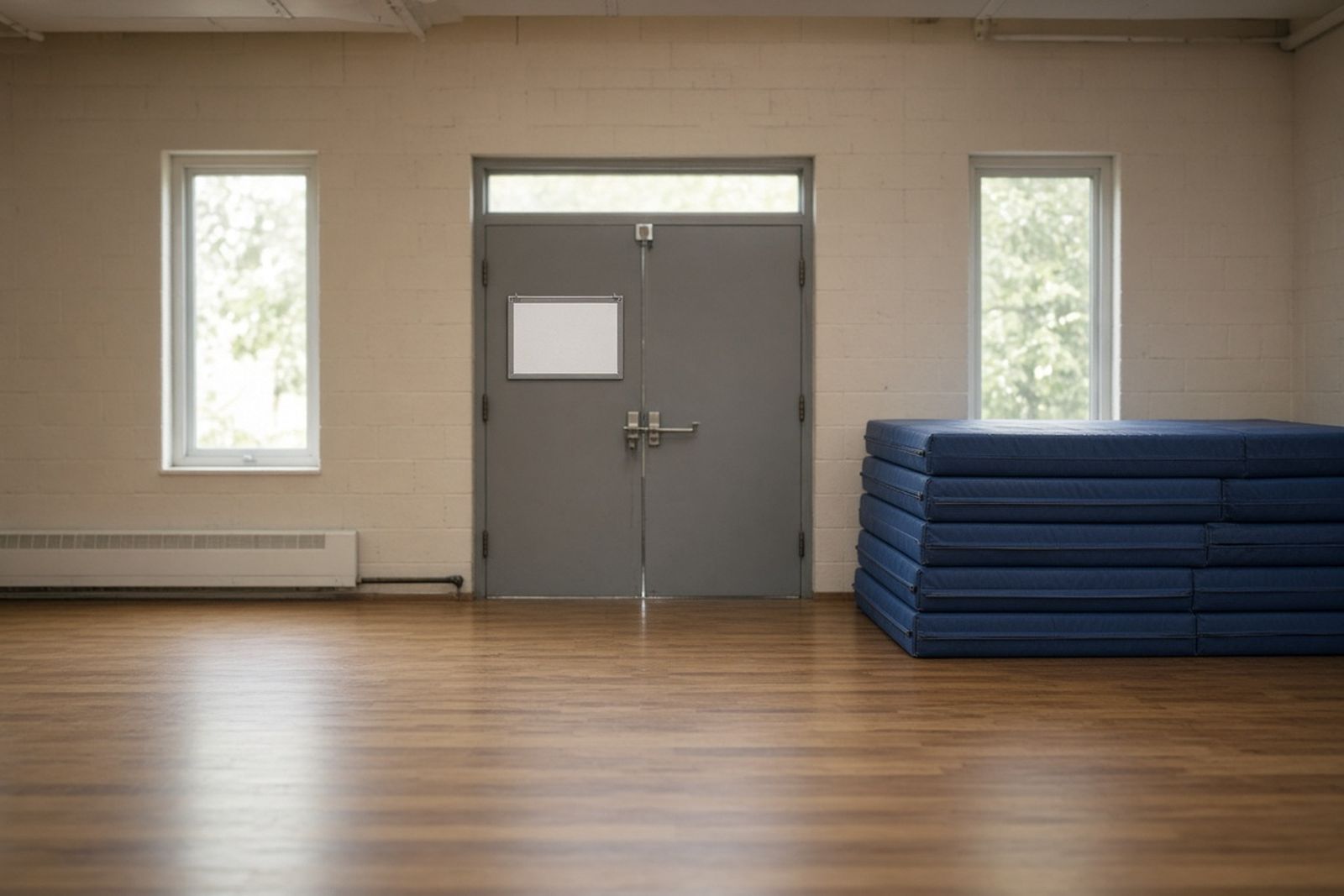
How does the work usually go?
A careful visit has a clear order. The details shift with the illness, the building, and who uses it.
- 1
Talk through what happened
The company asks which illness is suspected, when people got sick, and which areas they used. Names and medical details are not needed.
- 2
List the touch points
The crew makes a list of the surfaces people handle most in each room. Bathrooms, kitchens, entrances, and shared devices usually top the list.
- 3
Clean first
Visible dirt and any body fluids are removed with detergent and disposable cloths. Trash and soiled items are bagged before disinfecting starts.
- 4
Disinfect by the label
The crew applies products whose labels list the germ of concern. Surfaces stay wet for the time the label states, and food areas are rinsed if the label says so.
- 5
Handle soft items
Pillows, mats, and cloth toys are washed on hot settings, set aside, or thrown out. The crew explains which choice fits each item.
- 6
Air out and record
Rooms are aired out before people return, following the label. You get a record of products, rooms, and times.
Infectious Disease Disinfection by the numbers
Responding to an outbreak in a building takes more than picking a disinfectant. The figures below come from public health agencies, standards groups, and industry sources. They show how germs move through shared spaces and what facility disinfection tends to cost. They also show how results change when crews clean first and respect contact times. This helps you set fair hopes with your leaders. It helps you explain a purchase to a board or parent group. It also helps you spot when a vendor claims more than the evidence shows. Treat each figure as background for planning, not a forecast for your building. How many people use it, what the surfaces are, and which germ is involved all change what a sensible response looks like.
- 72 hours
In a 2020 NEJM study, viable SARS-CoV-2 was detected up to 72 hours on plastic and 48 hours on stainless steel, but not after 24 hours on cardboard or 4 hours on copper.
Read with care: Viral titers dropped sharply over time; CDC later judged surface transmission to be a low risk relative to airborne spread.
Source: New England Journal of Medicine (2020)Laboratory study, controlled conditions
- 7 months
A systematic review found MRSA can persist on dry surfaces for 7 days to 7 months, C. difficile spores for 5 months, norovirus for 8 hours to 7 days, and influenza for 1 to 2 days.
Read with care: Persistence under lab conditions does not equal infectivity in real settings; ranges are wide.
Source: BMC Infectious Diseases (2006)Systematic review of laboratory persistence studies, published 2006
- 323,700
CDC estimated 323,700 MRSA cases in hospitalized patients and 10,600 deaths in 2017, with $1.7 billion in attributable healthcare costs.
Read with care: Excludes many uncultured skin infections; hospitalized cases only.
Source: CDC (2019)United States, hospitalized patients, 2017 data
- 9.4-51 million
CDC estimates seasonal flu caused 9.4 million to 51 million illnesses, 120,000 to 710,000 hospitalizations and 6,300 to 52,000 deaths annually in the U.S. between 2010 and 2025.
Read with care: Ranges reflect large season-to-season variation and are modeled estimates.
Source: CDC (2025)United States, annual range across 2010-2025 seasons
- 223,900
CDC's 2019 Antibiotic Resistance Threats Report estimated 223,900 C. difficile cases in hospitalized patients and 12,800 deaths in 2017, with $1 billion in attributable healthcare costs.
Read with care: Counts hospitalized cases only; costs cover hospital-onset cases only.
Source: CDC (2019)United States, hospitalized patients, 2017 data
- 500+
EPA's List N of disinfectants approved for use against SARS-CoV-2 grew from 85 products in March 2020 to more than 500 by October 2020.
Read with care: Product count has changed since 2020; List N inclusion is not an EPA endorsement.
Source: EPA (2020)United States, EPA-registered products, as of October 21, 2020
These figures are public research and agency data, not this network's own job records. Keep each number with its population, year and limits; none of them predicts cost, timing or outcome at a specific property.
What drives the cost, and who pays?
Cost depends on how many rooms and touch points need attention, not only on square footage. A daycare with toys, cots, and low tables takes longer than an empty office of the same size. Vomit cleanup, soft items to replace, night or weekend visits, repeat visits, and optional fogging all add to the total.
Insurance often does not pay for this. Many business property policies have exclusions for viruses and bacteria, and homeowners policies rarely cover cleaning after an illness. Some businesses bought an add-on for communicable disease events, so it is worth reading your policy and asking your agent. A landlord or building owner may cover shared areas under the lease. Keep the cost separate from routine cleaning in your books.
Save the company's written plan, the invoice, and the record of products with their EPA registration numbers. Add dates, rooms treated, and notes from the health department. If a board, parent group, or licensing agency asks what was done, these papers answer it. They also help if a policy turns out to apply later.
How do you judge a disinfection company?
A good company follows product labels and public health advice. Ask these questions and listen for clear answers.
Questions to ask
- Which products will you use, and do their labels list the germ we are dealing with? Ask to see the labels.
- How long will each surface stay wet, and how will your crew make sure it does? That time comes from the label, not the crew.
- Will you clean surfaces before you disinfect them? Spraying over dirt does not do the job.
- How will you protect electronics, food areas, and people with asthma? Some products need rinsing or airing out.
- What will you do with mats, cushions, and cloth toys? Soft items need a plan too.
- What record will I get at the end? Look for product names, EPA numbers, rooms, and times.
Warning signs
- Says the treatment makes a building germ-free or protects it for weeks.
- Plans to fog or spray without wiping and cleaning first.
- Cannot name the products or show you their labels.
- Tells you to ignore or skip health department advice.
Checking a company you already have in mind? Work through the provider vetting checklist.
Can you disinfect on your own?
Many families and small offices can handle this themselves with the right product. Read the label first, clean before you disinfect, and keep the surface wet for the full time listed. Wear gloves, open windows, and keep children away while you work.
A crew makes more sense when an outbreak is spreading through a building full of children, older adults, or people with weak immune systems. It also helps when staff are sick or stretched thin, or when large areas of carpet and furniture are soiled.
Usually fine to do yourself
- Wipe high-touch surfaces with a registered disinfectant whose label lists the germ, keeping them wet as long as the label says.
- Wash a sick person's sheets, towels, and clothes on the warmest setting the fabric allows, and dry them fully.
- Clean up a small vomit spot on a hard floor with gloves and paper towels, then disinfect the area by the label.
Leave to a trained crew
- Whole-building work during an outbreak at a daycare, school, or care home.
- Fogging or electrostatic spraying, which needs training and an empty building.
- Large vomit or diarrhea spills on carpet or upholstered furniture.
- Any job where staff lack gloves, eye protection, or training on the products.
Not sure where your situation falls? The DIY risk check asks eight yes-or-no questions.
Free infectious disease disinfection planning tools
Cost Range Estimator
Outbreak disinfection prices confuse facility managers because the same square footage can lead to very different proposals.
Provider Vetting Checklist
Vendors who offer outbreak disinfection range from skilled building-cleaning firms to carpet cleaners who bought a fogger.
Insurance Claim Organizer
Who pays for outbreak disinfection depends on your policy wording, your lease, and the type of facility.
First 24 Hours Planner
An illness cluster may show up in a school, office, clinic, gym, or group home.
Waste & Disposal Classifier
An outbreak response leaves things behind that someone has to deal with.
DIY or Call a Pro? Risk Check
Facilities often ask if their own cleaning staff can handle an outbreak response instead of hiring a vendor.
What research has found
Findings from published studies of people and properties in situations like this one. They describe what researchers observed in a specific group; they are not predictions for your case.
Some described heat and physical exertion as obstacles to wearing masks.
Floors were disinfected less consistently than high-touch surfaces.
Conferences and study days were a major source of biofilm knowledge.
Infectious Disease Disinfection community polls
Every count is a real visitor vote; nothing is seeded or padded. One vote per poll per device, and you can change your answer.
When your facility had an illness cluster, how did you handle cleaning?
How did you decide whether to close all or part of the facility?
What was the hardest part of communicating with staff or families?
Common questions about infectious disease disinfection
Can UV lights or air purifiers replace wiping surfaces?
No. Some buildings add them as part of a larger plan, but they do not remove dirt or body fluids from a surface. How well they work depends on the device and how it is placed and used. If you add one, follow the maker's directions and public health guidance, and keep up regular cleaning of the surfaces people touch.
How should I clean my home after a family member was sick?
Start with the rooms the sick person used most, often the bedroom and bathroom. Clean the toilet, sink, faucet, and door handles, then disinfect them with a product whose label lists the illness. Wash their bedding and towels separately and open windows while you work. Follow their doctor's advice on how long they may still spread it.
Is household bleach a good choice?
It can be, if the bottle has an EPA registration number and the label lists the germ you are concerned about. Mix it only with water, in the amount the label says, and use it fresh. Bleach can fade fabric, damage some metals, and bother people with asthma, so open windows. It does not work well on dirty surfaces, so clean first.
Are natural or green disinfectants strong enough?
Some are registered disinfectants with the same kind of label as other products, and some are only cleaners. Check for an EPA registration number and see whether the label lists the germ you are dealing with. Follow the directions for wet time. Vinegar, essential oils, and homemade mixes are not registered disinfectants, so do not count on them during an illness.
Can people stay in the building during disinfection?
It depends on the product and method. Wiping with many common products can happen in an occupied space if windows are open and people keep clear. Fogging and spraying usually need an empty building for a time set by the label. Ask how long each area must stay empty, and plan around people with asthma.
Does the cleaning company need to know who was sick?
No. The crew needs to know which illness is suspected, when it happened, and which areas were used. They do not need names or medical records. Share only what helps them plan. If a doctor or the health department has confirmed an illness, tell the company the type of illness so they can choose products whose labels list it.
How should a daycare handle toys and shared equipment?
Hard plastic toys can often be washed with soap and water, then disinfected by the label and rinsed if the label calls for it. Many daycares put toys that went into a child's mouth in a separate bin to clean. Cloth toys and dress-up clothes go in the washer on hot. Check with your state's child care licensing office for its specific rules.
More on infectious disease disinfection
Infectious Disease Disinfection services
Learn how expert outbreak disinfection works in schools, offices, clinics, gyms, and care homes. See each step, from mapping high-touch spots to checking contact times and records.
Costs explained
What drives the price, published cost ranges, and how to read a written quote line by line.
Insurance and payment
Which policies may respond, how to document a claim, and what to do if coverage is denied.
Planning tools
Hands-on tools help you see cost drivers, check vendors, and organize a claim file. They also help you plan the first day, sort waste, and judge if staff can do the work.
Community polls
See how other facility managers handled closing, vendors, and telling people during outbreaks. Then take the questions that come up to your own team.
Knowledge quiz
Test what you know about product labels, contact times, keeping germs contained, and records. Do it before you approve a disinfection plan or brief your leaders.
Articles and resources
Articles on norovirus in schools, MRSA in gyms, EPA List N, contact times, and notes to parents. They are written for the people in charge of a building.
City guides
Find disinfection providers who serve your area for facility outbreaks. Learn what to confirm about products, training, and records before you hire.
Related guidance sites
Each site covers one situation. If yours overlaps, start with the closest match.
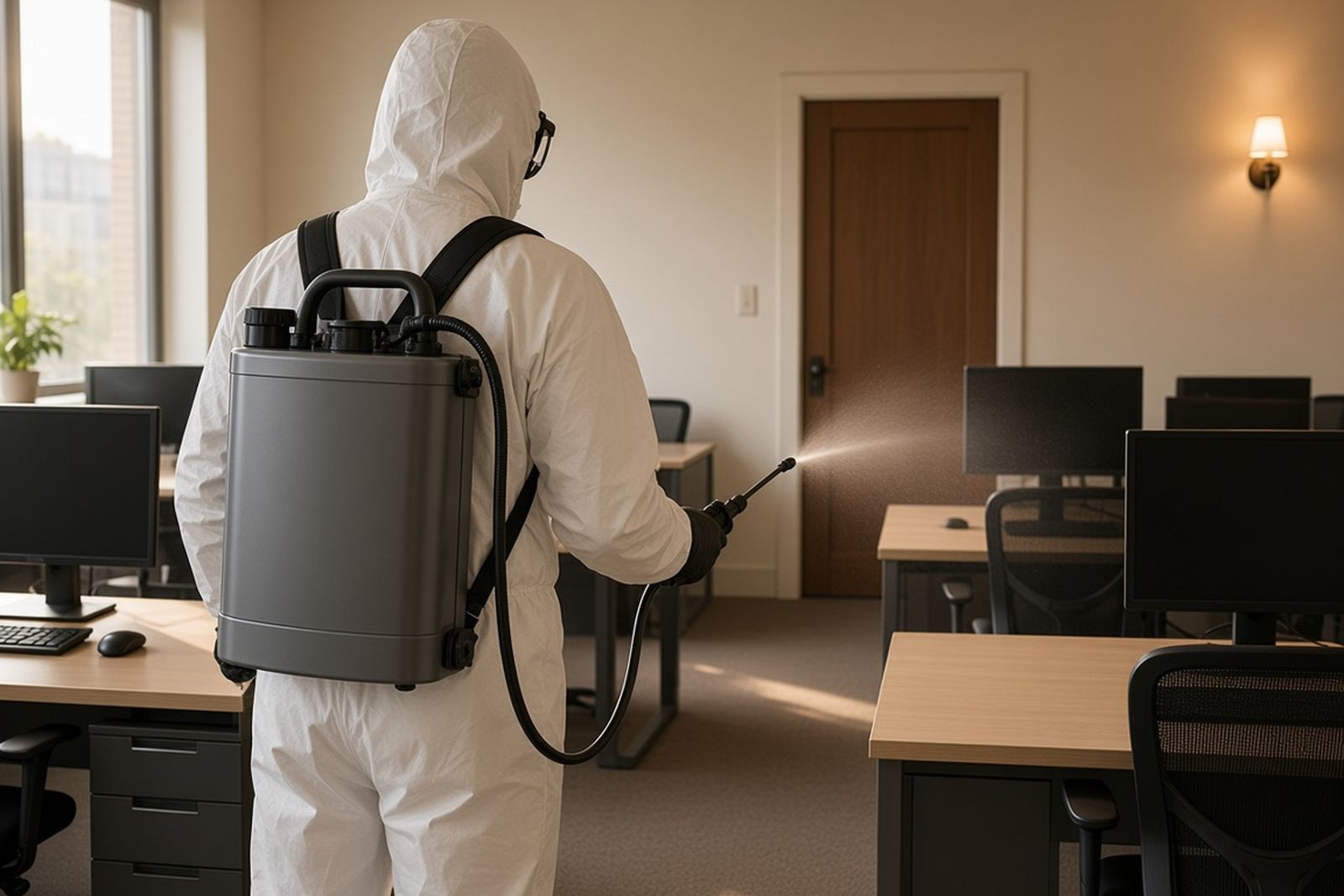
Sanitization & Fogging (Surface Care Guide)
What disinfectant fogging and spraying can do, what they can't, and what to ask.
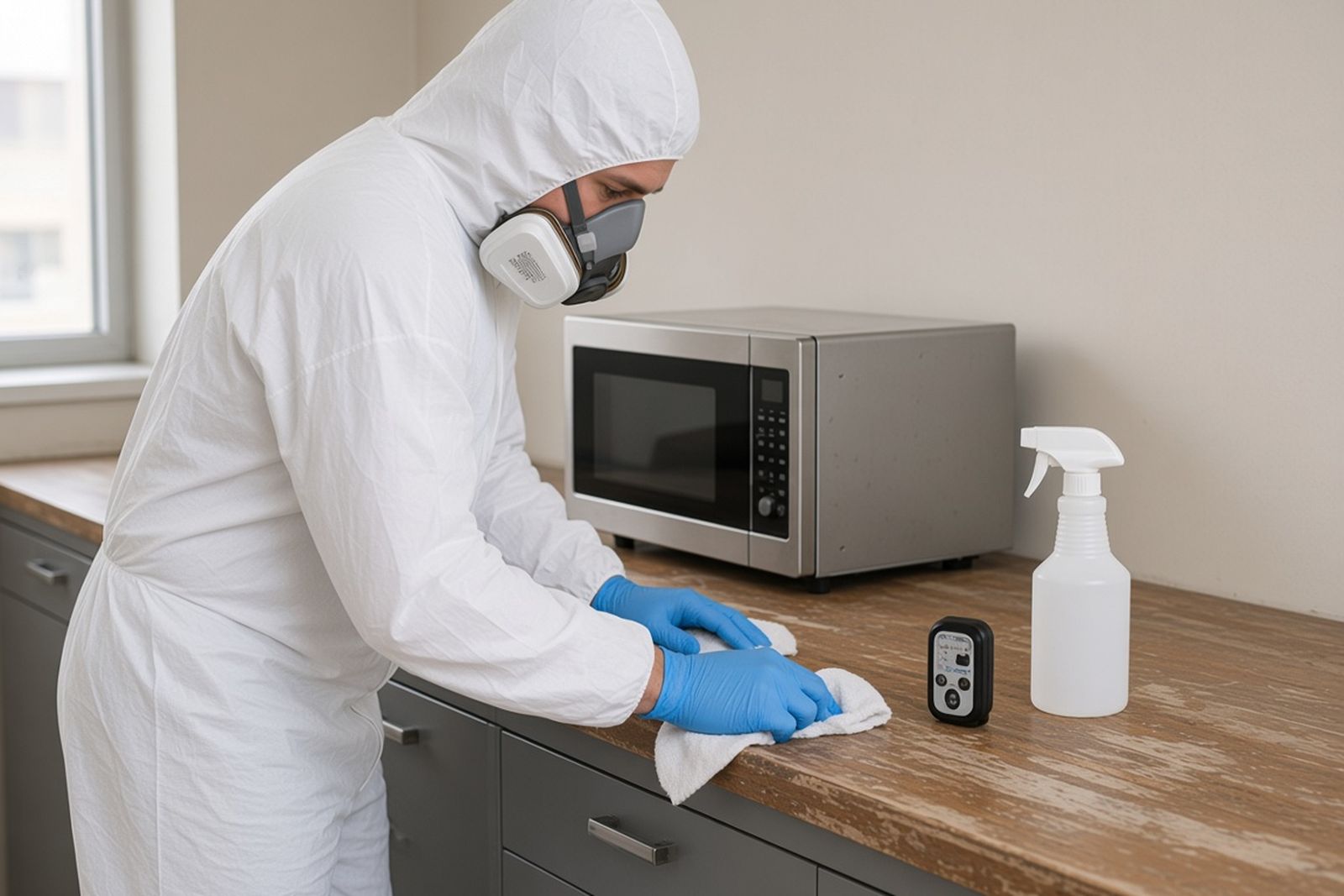
Biohazard Decontamination (Biohazard Care Guide)
Blood, sewage, or a bad outbreak of illness: what to do and whom to call.
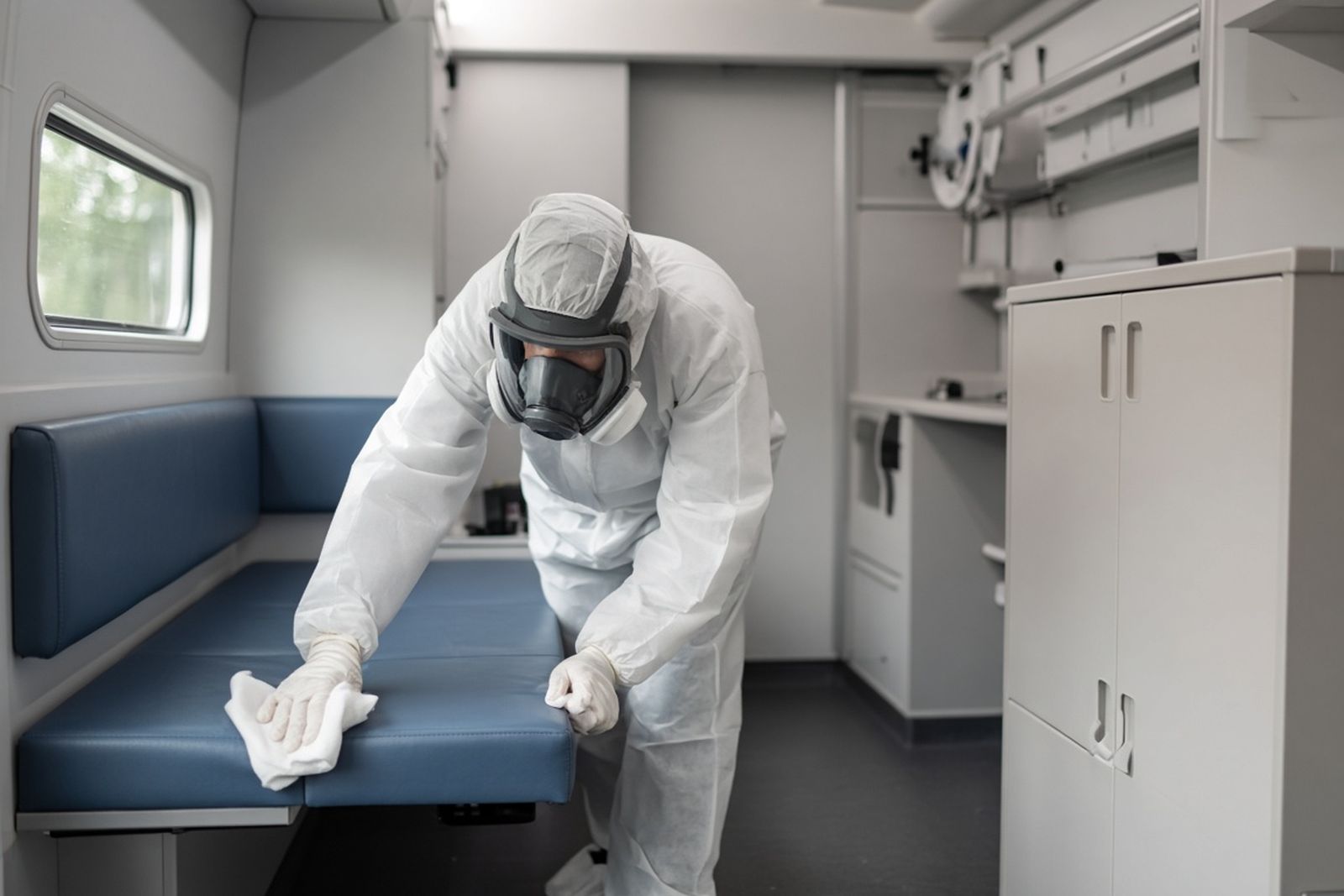
Emergency Vehicle Decontamination (Response Fleet Care)
Practical guidance for getting a soiled unit cleaned and back in service.
Get answers by email
Send a short message about your infectious disease disinfection situation. Your request is sent to the follow-up inbox. A coordinator can reply by email. There is no obligation.
Your request is sent to the follow-up inbox. A coordinator can reply by email.
If anyone is hurt or in danger, call 911 first.