1Knowing when a cluster calls for cleaning the building
A few staff out with a cold is not an outbreak. It is different when several children in one classroom have stomach illness. It is different when several gym members report skin infections, or when there is a positive case in a shared clinic space. The signal to clean the building comes from how the germ behaves. Norovirus lasts on surfaces and spreads from tiny amounts. MRSA lives on shared equipment and towels. C. difficile forms spores that ordinary products do not kill. Your local health department can help you decide if a cluster must be reported. Rules on reporting vary by state. Cleaning the building is one part of a response. The rest includes keeping sick people home, hand washing, and telling people what is going on.
2Authority: who closes, who reopens, and who must be told
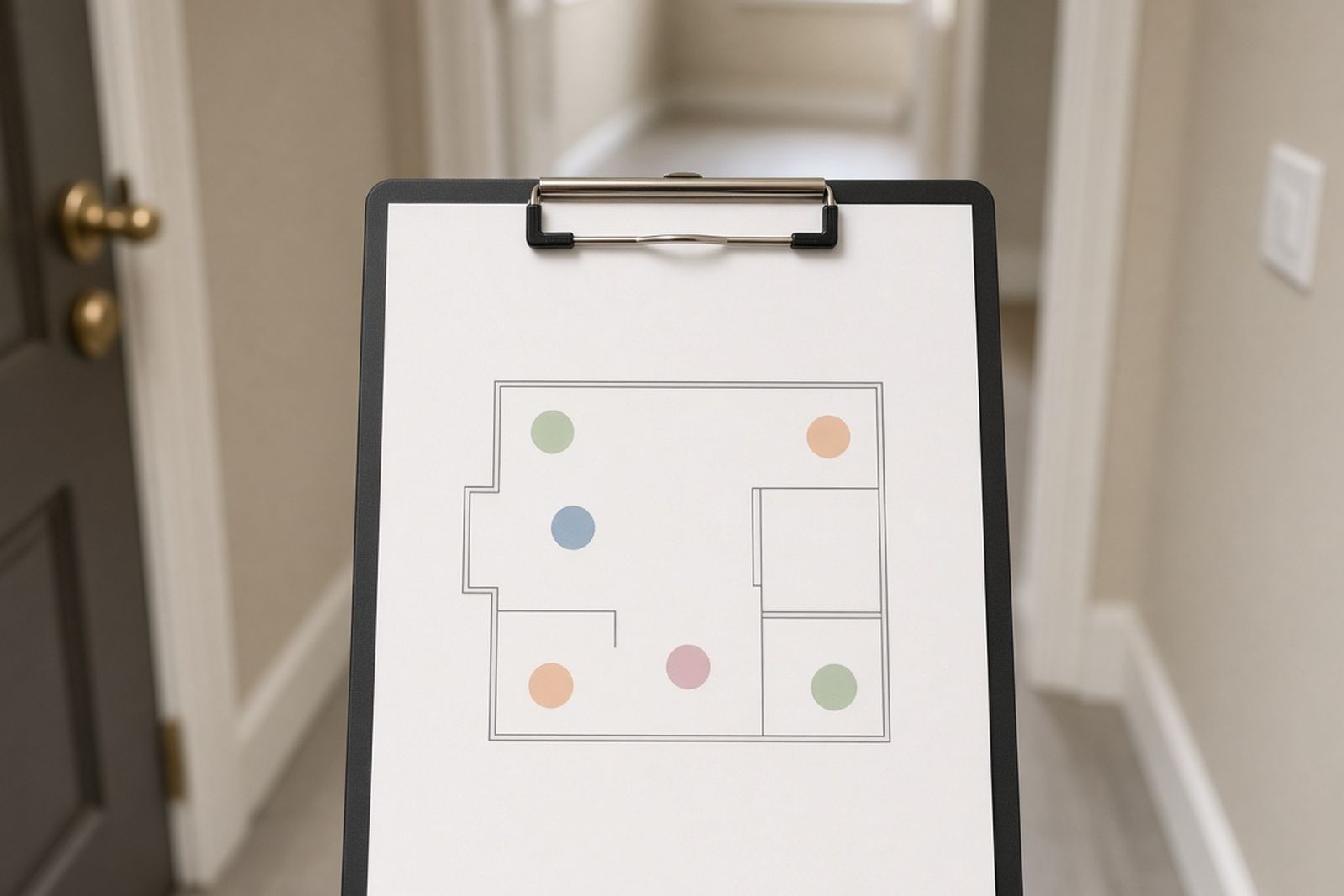
Before a vendor arrives, decide who can close rooms or the building. Decide who approves the scope of work and who will sign off on reopening. In a school, that may involve the principal, the district, and the school nurse. In a clinic, it may involve infection control staff and maybe an inspector. Group homes and daycares are licensed settings. The state licensing agency may require notice or approval, and this varies by state. Offices and gyms usually answer to the property owner, the lease, and their own leaders. Public health orders override your own decisions when they are issued. Write down who is in charge and who must be told. That way the response does not stall while everyone waits for someone else.
3Containment during the response
The work itself can spread germs if it is not done in the right order. Crews should move from cleaner areas to dirtier areas. They should change gloves and wipes between zones. They should not carry carts and tools from a restroom into a classroom. Rooms being sprayed or fogged must be empty. The heating and cooling system should be handled as the product label says, so fumes do not reach nearby spaces. Food surfaces and electronics need to be covered or treated with a separate product that is safe for them. Keep staff and others out of treated areas until the label's re-entry terms are met. Looking dry is not enough. Signs on doors and a simple log of each room's status help people avoid walking into active spraying.
4Cleaning first, then disinfecting, for the full contact time
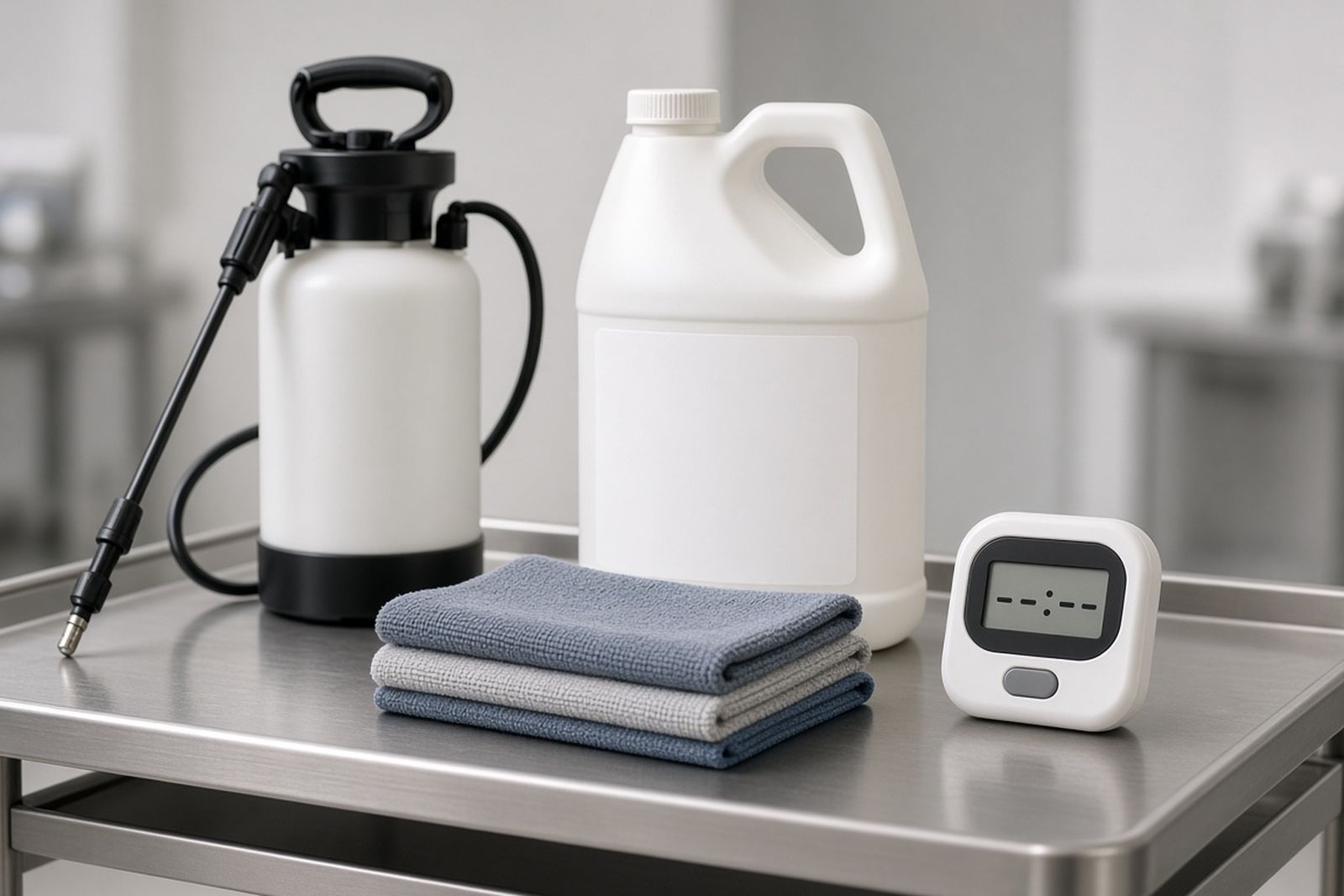
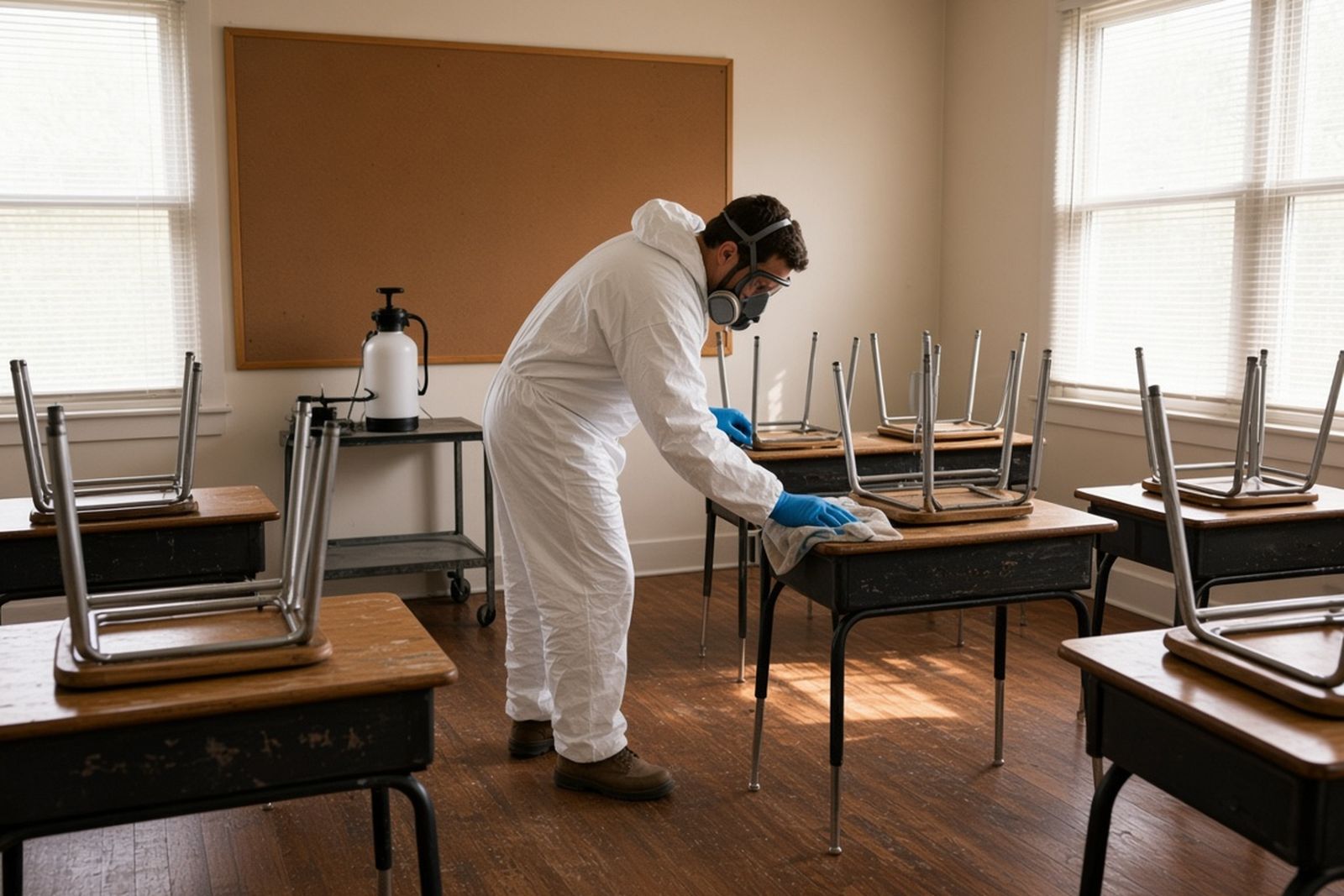
Disinfectant claims are tested on clean surfaces. Dust, fingerprints, food bits, and body grime shield germs and weaken the product. So a fogger passing over a dirty desk does very little. First, remove visible dirt with detergent. Next, apply the EPA-registered disinfectant. Then keep the surface wet for the full contact time on the label for the germ you are worried about. Finally, let it dry, or rinse it if the label says to. Electrostatic sprayers and foggers are ways to spread the product. They do not replace the steps before and after. Sanitizing is a lower standard that cuts down germs on some surfaces. Disinfecting is the claim that matters in an outbreak. Ask vendors how they check that surfaces stay wet for the full contact time.
5Where soiled materials, protective gear, and cleaning waste go
A response creates waste. There are used wipes and cloths, gloves and gowns, and materials from vomit or stool accidents. Sometimes there are soft items that cannot be reliably disinfected. Whether any of it counts as regulated medical waste depends on what it is and where you are. State rules set the definitions, and they usually focus on healthcare sites. Items heavily soiled with body fluids usually need careful bagging and a set disposal path. Ordinary wipe debris from surface work is often regular trash. Any needles or other sharps found during the work go into hard-sided containers. Check with the state environmental agency or county health department instead of guessing. Ask the vendor to describe their waste path in the scope. Ask them to give you receipts or the waste shipping record where those apply.
6Records and checks for staff, parents, and inspectors
The record is what turns a disinfection service into something you can defend. It should list dates and times and every area treated. It should list products with EPA registration numbers. It should state the contact time aimed for and how it was confirmed. It should name the methods used, the pre-cleaning done, and the re-entry instructions given. Some crews use a quick swab test on high-touch spots. It shows leftover organic residue, but it does not detect germs. Those results can support the record. Photos of prepared rooms help. From the record, you can write a plain notice to staff and families. It should say what was done without naming anyone or making promises. Licensed settings should ask their inspector or licensing body what format they expect. Checking the work means comparing the record to the plan. It does not mean accepting a certificate with a logo.